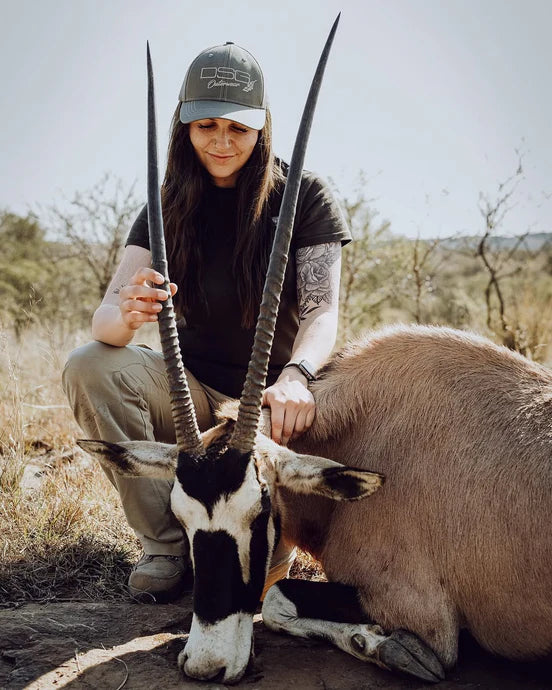
Bowhunting isn’t just a sport — it’s an art of patience, precision, and persistence. Unlike rifle hunting, you need to get closer, stay quieter, and execute flawlessly under pressure. Whether you’re chasing early-season whitetails or deep into the rut, your success depends on preparation and strategy.
Here are 12 essential bowhunting tips to help you improve your accuracy, increase your odds in the woods, and make every shot count.
1. Perfect Your Shot Before the Season Starts
Success in the field starts long before opening day. Regular practice builds consistency and confidence.
-
Shoot at varying distances — not just 20 yards.
- Practice real-world scenarios like kneeling shots, quartering angles, and elevated stands.
- Focus on smooth, controlled releases, not speed alone.
Pro Tip: Simulate high-pressure moments by taking “cold shots” — one arrow, no warm-up — just like you’ll have in the stand.

2. Dial in Your Bow Setup
A properly tuned bow can make the difference between a clean pass-through and a missed opportunity.
- Check draw length, draw weight, and peep height.
- Paper-tune or walk-back tune your setup for tight groups.
- Use arrows matched to your bow’s specs for optimal penetration.
If you’re unsure, a quick trip to a pro shop before the season can save you from heartbreak in the woods.
3. Play the Wind — Always
When bowhunting, you’re working inside a deer’s comfort zone, which means scent control is everything.
- Hunt downwind of travel corridors, bedding areas, and food sources.
- Use scent-free detergents and sprays on your clothes and gear.
- Keep the wind in your favor — or don’t hunt that spot.
Pro Tip: Carry a small wind checker bottle and test the air often. Even a slight shift can bust your setup.
4. Get Close, but Stay Hidden
Unlike rifle hunting, bowhunting requires you to close the distance — often inside 40 yards. That means your concealment game needs to be dialed in:
- Use natural cover to break up your outline.
- Set your stands or blinds with wind, sun, and shooting lanes in mind.
- Avoid skyline silhouettes — especially in tree stands.
If you think you’re well-hidden, get 10 yards lower and rethink your angles.
5. Be Patient With Your Shots
Few things ruin a bowhunt faster than rushing a shot. Wait for the right angle:
- Broadside or slightly quartering-away shots offer the highest success rate.
- Avoid head-on or hard-quartering shots — they risk poor penetration and lost game.
- Pick a spot, not the whole deer — aim small, miss small.

6. Scout Smart, Not Hard
Scouting is crucial, but overdoing it can blow up your spots before season even starts.
- Use trail cameras to track patterns without constant intrusion.
- Look for fresh rubs, scrapes, and trails leading to bedding and feeding areas.
- Be strategic with boots-on-the-ground scouting — move slow, stay quiet, and minimize scent.

7. Master Deer Behavior
Understanding how deer move and react gives you a massive advantage.
- During early season, focus on food sources and predictable patterns.
- During the rut, key in on doe bedding areas and travel corridors.
- During late season, hunt high-energy food sources bucks rely on to recover.
Knowing where deer want to be is half the battle.
8. Quiet Is Deadly
Noise kills bowhunts faster than almost anything.
- Silence metal zippers, buckles, and climbing sticks.
- Use padded stands or felt-wrapped accessories.
- Move deliberately — fast movements catch deer eyes before sound even reaches them.
9. Use the Right Broadheads
Your broadhead choice matters more than many hunters think.
- Fixed-blade broadheads → Better penetration, great for lower-poundage bows.
- Mechanical broadheads → Flatter flight, larger wound channels, but require more energy.
Whatever you choose, sight-in with the exact broadhead you’ll hunt with to avoid last-minute surprises.
10. Plan Your Entry and Exit Routes
Bumping deer on your way in or out can destroy a hunting area for days.
- Use terrain features, creeks, or ditches to stay concealed.
- Avoid walking across active feeding areas before daylight.
- Always leave quietly — spooking deer after last light educates them quickly.
11. Control the Adrenaline Rush
The “buck fever” moment hits every hunter — heart pounding, hands shaking, mind racing. The best way to prepare?
- Practice breathing techniques before you shoot.
- Mentally rehearse the shot sequence ahead of time.
- Focus on execution, not the size of the rack.
Confidence comes from preparation. Trust your process, and the shot will follow.
12. Be Patient and Persistent
Bowhunting success doesn’t happen overnight. Some sits are quiet. Some seasons are slow. But every hour spent in the stand increases your odds.
Remember: the biggest bucks often move on their schedule — not yours. Stay disciplined, trust your setup, and eventually, the right opportunity will come.

Final Thoughts
Bowhunting whitetails pushes your skills, patience, and mental toughness to the limit — but that’s what makes it so rewarding. Success isn’t just about gear; it’s about strategy, preparation, and persistence.
Dial in your setup, know the wind, hunt smart, and when that moment comes, make it count. This season, be the hunter who’s ready — not the one making excuses.