If you've ever dreamed of chasing an Iowa giant, bugling bull elk in the Rockies, or a trophy mule deer out West, you've probably heard hunters talk about "building points." For newcomers, the process can seem overwhelming. Every state has its own application deadlines, draw systems, and rules—and what works in one state may not work in another.
The good news? Once you understand the basics, you'll realize that planning ahead can open the door to some incredible hunting opportunities.
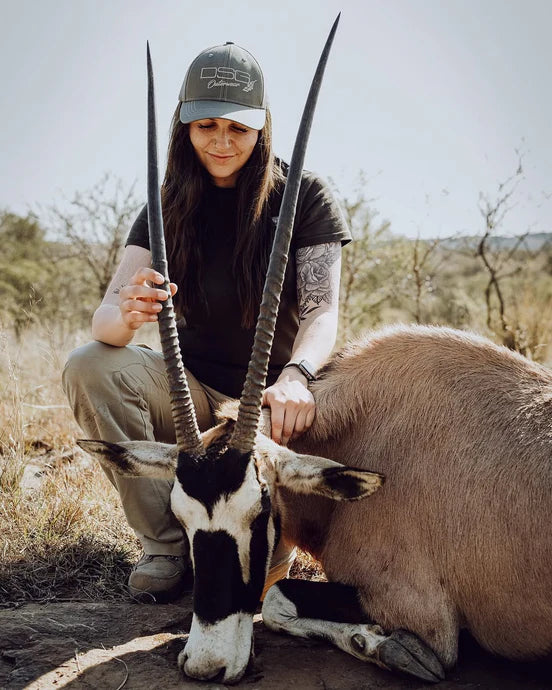
I've been fortunate to draw tags in several incredible states over the past 20 years, including Arizona for Barbary sheep, New Mexico for Unit 16E elk and oryx on the White Sands Missile Range, and the Kaibab for mule deer. One of my all-time favorite states to hunt is Kansas for whitetails.
This year has been especially memorable. I was fortunate enough to draw a New Mexico outfitter lottery elk tag, and after building seven preference points, my husband and I both drew coveted Iowa whitetail tags.
Looking ahead, I'm especially excited about Arizona. I've built 18 points for an archery elk tag, so I'm hoping to draw very soon. Needless to say, I'm on the edge of my seat every time draw results are released! My husband and I also apply in several bighorn sheep draws, knowing those are true once-in-a-lifetime opportunities that require both patience and a little luck.
It's proof that a little patience, planning, and persistence can lead to some truly unforgettable hunting opportunities.

Why Do States Use Draw Systems?
Wildlife agencies carefully manage game populations by limiting the number of tags available for certain species and hunting units. When demand exceeds the number of available tags, a drawing system is used to distribute permits fairly. Each state decides how that process works, which is why no two systems are exactly alike.
The Three Most Common Draw Systems
1. Preference Points
Think of preference points as standing in line.
Each year you apply but don't draw, you earn a preference point. The more points you accumulate, the closer you move to the front of the line. In many preference point systems, hunters with the highest point totals receive tags before anyone with fewer points.
This system rewards patience, but it can also create "point creep," where the number of points needed to draw a premium tag increases over time as more hunters enter the system.
2. Bonus Points
Bonus points work differently.
Instead of moving you to the front of the line, each bonus point gives you additional chances in a random drawing. You still have to get lucky, but your odds improve every year you apply unsuccessfully.
Unlike preference points, even a first-time applicant still has a chance to draw in many bonus point systems.
3. Pure Lottery Draws
Some states don't use points at all.
Every qualified applicant has an equal chance of drawing a tag each year, whether it's your first application or your fifteenth. These systems rely entirely on luck rather than accumulated points.

Why Every State Is Different
One of the biggest mistakes hunters make is assuming every state follows the same rules.
Some states rely heavily on preference points. Others use bonus points. Some combine multiple systems, while others operate entirely as random lotteries. Application deadlines, fees, nonresident quotas, and point rules also vary from state to state.
That means it's important to research each state's regulations before applying.
If you’re unsure about applying on your own or could use guidance navigating state draw deadlines, application fees, point systems, and the application process, there are experienced consultants who can help. Epic Outdoors has been tremendous for my husband and me in keeping track of the states we’re building points in and the hunts we ultimately hope to draw.
When day-to-day life gets busy, we can rely on their team to help make sure we don’t miss important application deadlines. Epic Outdoors also helps us stay on top of how many points we have in each state, our draw odds, regulation changes, and opportunities we may want to consider. With so many states, deadlines, and different point systems to keep track of, having knowledgeable guidance can take a lot of the guesswork out of the application process.
Is It Worth Building Points?
Absolutely—especially if you're hoping to hunt high-demand species or premium units.
Building points is an investment in future opportunities. Many hunters apply every year even if they don't plan to hunt that season, simply to continue accumulating points for a future hunt.
If a dream hunt is on your bucket list, the best time to start building points is now.

Don't Forget About Private Land
While you're building points, don't overlook quality hunting leases.
Many hunters spend years waiting to draw tags while missing opportunities to hunt outstanding private ground. Leasing quality property can provide consistent hunting opportunities while your points continue to grow.
It's a smart strategy that allows you to enjoy great seasons today while preparing for tomorrow's dream hunt.
Tips for First-Time Applicants
The Bottom Line
Applying for hunting draws doesn't have to be intimidating. Once you understand the difference between preference points, bonus points, and lottery systems, you'll be able to build a long-term strategy that fits your hunting goals.
Whether you're hoping to draw an Iowa whitetail tag, a Rocky Mountain elk permit, or another once-in-a-lifetime hunt, the key is simple: start planning today. Every point you earn is another step toward the hunt you've always dreamed about.
~ Written By: Rachelle Hedrick, DSG Hunt Team Lead and Sponsorship Manager